
Poster Printing in Brooklyn Proves the Most Powerful Podcast Growth Happens Offline
After you publish a new episode of your podcast, that anticipation quickly turns to dread as you watch the statistics trickle in. You wonder if anyone listened who wasn’t already in your circle.
Digital ads get ignored, social media trends shift overnight, and algorithms keep everyone guessing. But walk through Park Slope or Williamsburg and something older catches your eye.
People are actually stopping to look at a well-made poster.
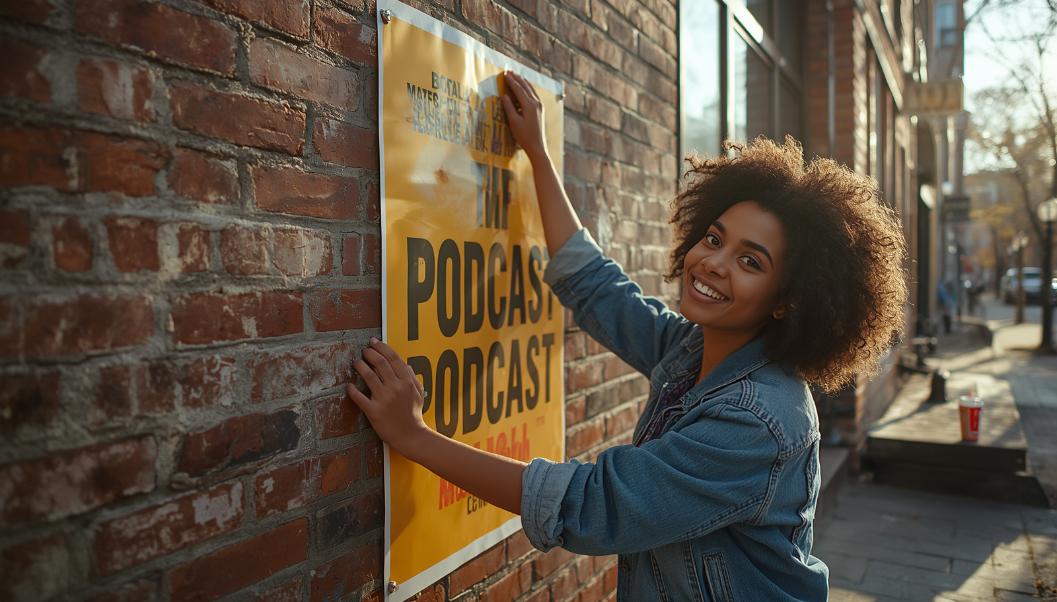
That’s one of the biggest reasons why poster printing Brooklyn has become a real strategy for podcasters and why so many creators here are leaning back into physical media.
The Street is Still the Most Democratic Stage
Community posting is a long-standing Brooklyn tradition. Walls and telephone poles are layered with posters announcing shows, art, and causes. For podcasters trying to find a local audience, that’s a genuine opening.
Marcus Webb is a true crime podcaster based in Brooklyn. On a whim, he decided to start flyering. “I printed fifty posters and put them up around my block and near the subway entrance,” he said.
“Within a week, I had people messaging me saying they found me from a poster.” He spent nothing on digital ads, and his downloads tripled.
That’s the kind of result digital advertising promises but rarely delivers.
Why Offline Visibility Builds More Committed Listeners
There’s a difference between someone who stumbles on your podcast through an ad and someone who saw a poster on their walk home, pulled out their phone, and looked you up. The second person chose you. That small act of friction filters for people who are actually curious, not just passively targeted.
Podcasters who understand this tend to treat their posters less like flyers and more like brand statements. A clean, well-designed poster signals that the show behind it is worth the time. It builds recognition before a single episode is heard.
The Format Still Works Because People Still Walk
Brooklyn is a walking borough. A poster placed right, in the right spot at the right time, can earn a subscriber in the few seconds someone is waiting for the light to change.
People who respond to physical ads aren’t ignoring digital ones. They’re moving between both, and the creators who figure that out tend to grow faster.
If you’re wondering how to improve the reach of your podcast, the answer might be as straightforward as the secret to recording a podcast in a distraction-free home environment: cut out the noise, focus on what works, and sometimes the oldest methods are the ones still standing.
The Secret to Recording a Podcast in a Distraction-Free Home Environment
Podcasters often invest hundreds, sometimes thousands, on microphones, pop filters, and soundproofing panels. Yet, a surprisingly overlooked factor can make or break a recording session: the state of their home environment. According to the National Public Radio, cluttered or dirty spaces can increase stress and reduce focus, making it harder to concentrate; even if you have the fanciest audio gear money can buy.
Think about it: a dusty window sill, grimy patio, or mold creeping in from outside can silently sabotage your recording sessions. Scheduling professional Brisbane house washing services might seem over the top, but keeping the exterior of your home clean drastically reduces dust and allergens indoors. This simple step can make your studio, or even a corner of your living room, feel like a professional workspace, ready for a focused podcast session. I’ve seen podcasters swear by this routine: a cleaner home equals crisper audio, fewer sneezes mid-recording, and a calmer mind.
Why Clean Spaces Improve Focus
Have you ever tried recording while the laundry piles up or the dishes scream for attention from the kitchen? Your brain doesn’t just ignore the mess; it multitasks on stress. That mental clutter seeps into your recordings, creating more mistakes, ums, and awkward pauses. Podcasters who maintain clean and organized spaces often notice they can deliver smoother, more confident episodes.
Beyond mental clarity, physical cleanliness impacts sound quality. Dust settles on surfaces, including microphones, and creates subtle static or muffled tones. Airborne particles can even trigger coughing fits mid-take. Regularly cleaning surfaces and keeping outdoor dust at bay, whether through DIY routines or professional services, helps prevent these tiny interruptions.
Structure Your Home Like a Studio
Professional studios aren’t just quiet, they’re methodically maintained. If you treat your home like a studio, you can mimic that discipline. Start with small routines: dedicate a few minutes before each recording to tidy your desk, vacuum the floor, and check your windows. Schedule exterior maintenance like driveway and roof cleaning once a season. These tasks seem unrelated to content creation, but they reinforce a habit of discipline, just like sticking to a podcast publishing schedule. Learning to manage the pace of your interviews also benefits from the same structured mindset, keeping your recordings smooth and professional.
Consider the analogy: if you miss cleaning your patio for months, dirt and pollen accumulate and make their way inside. It’s subtle but noticeable. A one-time session of Brisbane house washing might sound mundane, but it’s equivalent to giving your creative space a reset button. When your home feels clean and intentional, your mind follows suit.
The Unexpected Benefits of Home Upkeep
- Improved productivity: You’ll find fewer distractions and less mental fatigue, meaning longer, focused recording sessions.
- Health perks: Reduced dust and mold lowers allergy flare-ups, keeping you clear-voiced and alert.
- Creative consistency: Knowing your space is ready makes it easier to maintain a publishing routine without procrastination.
- Audio quality: Less airborne dust and debris can subtly improve the clarity of your recordings.
Even if you don’t have a dedicated studio room, these principles apply. Clear surfaces, well-maintained exteriors, and regular cleaning schedules set the stage for your best performance. It’s like giving your creativity a tidy desk to play on; a small act that makes a big difference.
Conclusion
Recording a podcast in a distraction-free environment isn’t just about top-tier microphones or soundproof foam. It starts with your surroundings. A clean, well-maintained home helps you focus, protects your health, and improves the overall quality of your episodes. Simple steps like regular indoor cleaning, combined with seasonal Brisbane house washing, ensure your creative environment stays in peak condition. Treat your home like a studio, and your podcast will reflect that professionalism and clarity.
Next time you schedule a recording, take a look around. That little sweep of dust or grime could be the difference between a good episode and a great one.
Why Podcast Hosts Are Building Private Listener Communities
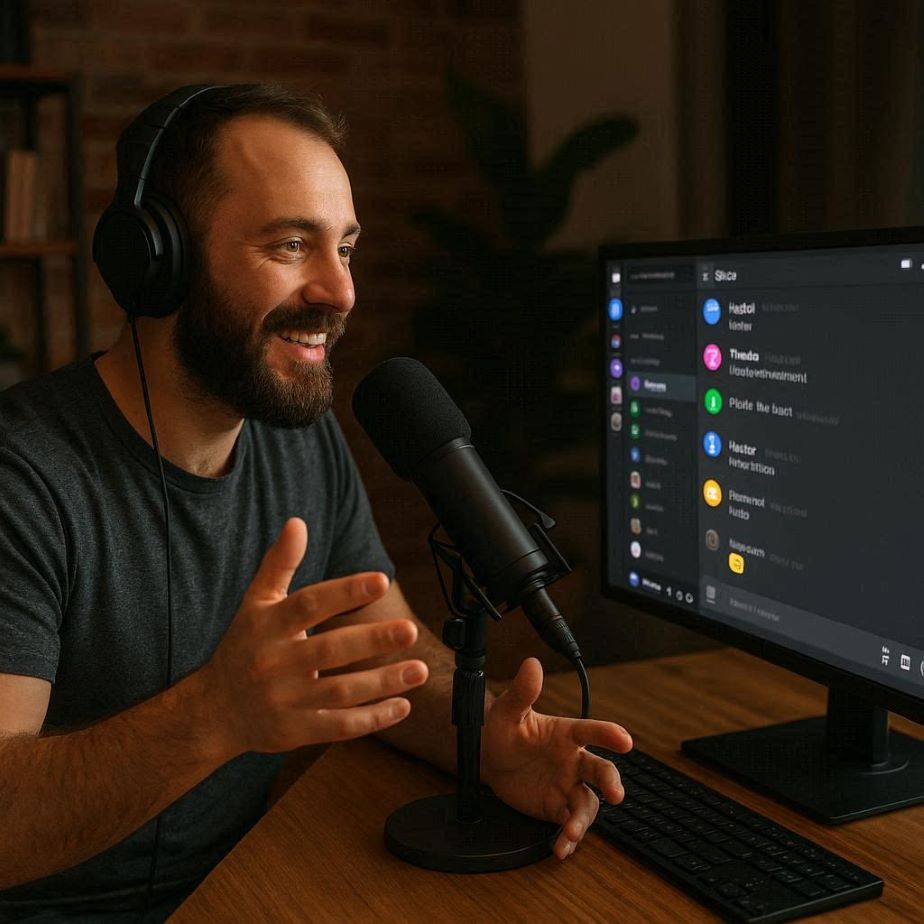
Podcasting has grown into one of the most influential forms of digital media, with millions of shows available across platforms. Yet despite this abundance, creators face a persistent challenge: keeping listeners engaged beyond the audio experience. Research from Edison Research shows that while podcast consumption continues to rise, retention rates often plateau after initial discovery. To address this, many podcast hosts are building private listener communities, particularly on Discord, where interaction extends far beyond the episode itself.
Discord servers have become the go-to hub for podcasters seeking deeper engagement. These spaces allow for subscriber-only discussions, bonus content, and live Q&A sessions. Some creators even adopt a server booster strategy, like Discord Booster Service, during early audience development, ensuring their communities gain visibility and technical advantages such as enhanced audio quality and custom branding. This approach helps smaller shows compete with larger productions by offering listeners a sense of exclusivity and belonging.
The Appeal of Private Communities
Unlike traditional social media platforms, Discord offers structured channels where conversations can be organized by topic. This reduces noise and allows listeners to connect with each other in meaningful ways. According to Pew Research Center, audiences increasingly value online spaces where they can interact with like-minded individuals without the distractions of algorithm-driven feeds. For podcast hosts, this translates into stronger bonds between episodes and a more loyal listener base.
Private communities also provide a feedback loop. Creators can test ideas, gauge reactions, and refine future episodes based on real-time input. This dynamic exchange fosters a sense of co-creation, where listeners feel invested in the show’s direction. As a result, retention improves because audiences are not passive consumers but active participants.
Early Growth Strategies
Building a community from scratch requires deliberate effort. Many podcasters begin by inviting their most engaged subscribers into a small group, gradually expanding as interest grows. Offering perks such as bonus discussions or behind-the-scenes content helps incentivize participation. Some hosts experiment with premium tiers, where supporters gain access to live Q&A sessions or exclusive interviews. These strategies mirror the membership models seen in platforms like Patreon, but Discord’s interactive design makes the experience more immediate and communal.
Boosting a server during its early stages can be particularly effective. While the term “boost” refers to technical upgrades, the broader concept of amplification—whether through promotion, cross-platform visibility, or enhanced features—signals to listeners that the community is worth joining. This sense of momentum often attracts new members who want to be part of something growing and vibrant.
Audience Retention and Loyalty
Retention is one of the most critical metrics for podcasters. Data from Podtrac indicates that shows with active communities see higher repeat listenership compared to those without. The reason is simple: when listeners feel connected to the host and fellow fans, they are more likely to return for new episodes. Communities transform podcasts from one-way broadcasts into ongoing conversations, reinforcing loyalty through shared identity.
Highly active communities often translate into stronger listener loyalty, but activity alone is not enough. The quality of interactions matters. A server filled with constant chatter may overwhelm members, while a well-moderated space encourages thoughtful discussion. Striking this balance is essential for sustaining engagement over time.
The Role of Moderation
Moderation is a cornerstone of successful communities. Without clear guidelines, discussions can quickly derail, leading to conflict or disengagement. Many podcasters appoint trusted listeners as moderators, ensuring that conversations remain respectful and on-topic. According to Harvard Business Review, communities with strong moderation practices report higher satisfaction among members and lower churn rates. For podcast hosts, this means fewer distractions and more meaningful exchanges.
Moderation also protects the brand. A podcast’s reputation can be damaged if its community becomes associated with negativity or misinformation. By setting standards early and enforcing them consistently, hosts safeguard both their audience and their content.
Challenges and Considerations
Despite the benefits, building private communities is not without challenges. Time investment is significant, as hosts must balance content creation with community management. There is also the risk of exclusivity alienating casual listeners who prefer a more open environment. Furthermore, technical issues such as server maintenance or platform changes can disrupt engagement if not addressed proactively.
These challenges underscore the importance of strategic planning. Hosts must decide whether their community is primarily a space for discussion, a platform for monetization, or a hybrid model. Each approach requires different levels of commitment and resources.
Looking Ahead
The rise of private listener communities reflects a broader trend in digital media: audiences want connection, not just content. As podcasts continue to evolve, Discord and similar platforms will play an increasingly central role in shaping listener experiences. Communities that are nurtured with care, supported by thoughtful moderation, and amplified through growth strategies such as server upgrades or promotional boosts are likely to see stronger loyalty and sustained engagement.
For podcast hosts, the message is clear. Building a private community is no longer optional; it is a vital extension of the show itself. By investing in these spaces, creators can transform casual listeners into dedicated supporters, ensuring that their voices resonate long after the episode ends.
READ ALSO: Discover The Right Podcast For You
Conclusion
Podcast hosts are discovering that private communities are powerful tools for retention and loyalty. Whether through enhanced features, promotional amplification, or structured moderation, these spaces foster deeper connections between creators and audiences. While the term “boost” may describe technical upgrades, the broader idea of elevating community engagement is what truly drives success. As digital media continues to shift toward interactive experiences, podcast communities will remain at the heart of listener loyalty and growth.
Mastering Podcast Productivity Through the Latest Thesea89 Access Link
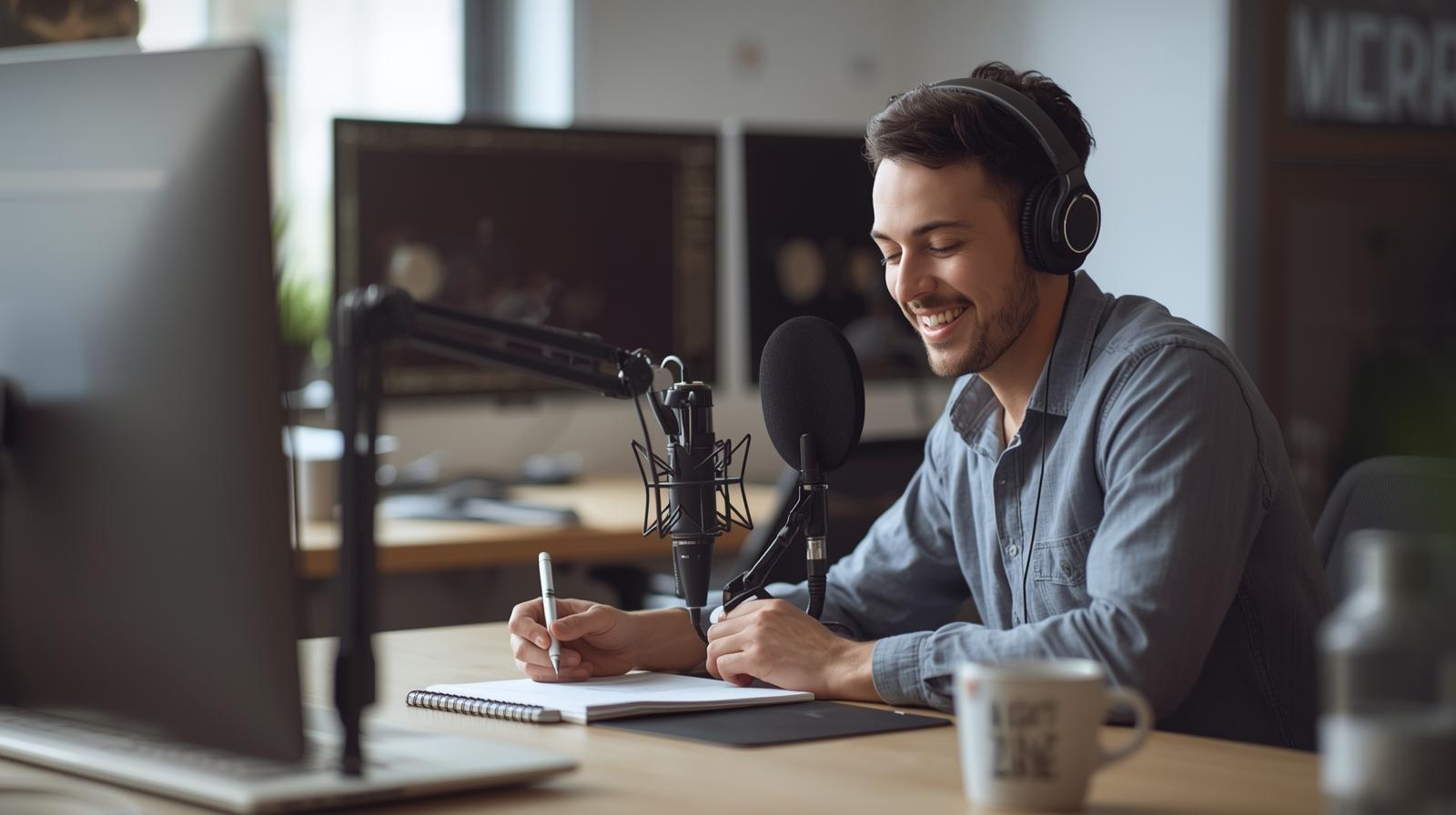
Preparation for podcasting takes considerable effort and planning. While the finished product looks seamless, each episode requires a fantastic deal of planning, focus, and creativity.
An episode won’t feel finished until a host is satisfied with the content and structure, and this takes a good bit of time. The other challenge is burnout.
That is where the latest Thesea89 access link is able to provide perspective and resources to help podcast hosts better manage their time and efforts.
Thea89 is able to provide tools and frameworks to help podcast hosts reframe time and productivity in a way that is more rewarding and fulfilling.
Recognizing Podcasting Productivity Challenges
While some may assume that a lack of motivation is the root of podcasting productivity issues, this is not the case.
In fact, most issues stem from a lack of determinate focus, the planning of too many details, or trying to tackle it all solo. Motivation is key in planning out each separate podcasting responsibility.
If motivation behind a task is lacking, responsibilities will accumulate. In turn, this slows progress.
Creating systems to help further productivity is a theme woven into the Thesea89 ecosystem, as is building the systems around the individuals’ personal boundaries.
This is a combination that podcasters with a desire to be able to work creatively on a podcast over a long time, and not in short chaotic spurts, will appreciate most.
Structuring Creative Time With Self-Management
One of the more common styles of content in Thesea89 involves self-management. For the hosts of the podcast, this approach means separating creative work from administrative tasks.
There is more fruitful work in brainstorming episodes, scripting from the outline, and recording the session if there is a period of time carved out where there are no work-related distractions.
Hosts are able to apply this mindset to avoid a number of persistent pitfalls, such as attempting to endlessly research the topic or rushing during the recording.
Productivity in this scenario is more about creating a flow rather than creating fast work, and the ideas are able to form into a finished product on time, complete with a release date.
ALSO READ: Podcasters’ Learnings through the Birth of Sing-Along Blogs
Strengthening Productivity While Building the Capacity to Work
Consistency is one of the most important and difficult aspects of podcasting success. These 89 inspired approaches focus on self-assessment rather than a rigid adherence to perfection.
A substantial weekly episode that meets the needs of the host is likely more sustainable than a poorly designed weekly flow.
Factors in this philosophy help hosts recognize when they are able to trim the complexity of a task, like recording episodes in bulk, or when they need to temporarily lower their expectations. Productivity is maximized, as energy is preserved.
Mental Clarity as a Production Tool
An abundance of mental clutter creates an invisible barrier to productivity. Many podcast hosts feel pressure to always outperform their competition or to constantly overwork and recreate their shows.
Thesea89 consistently produced content that centered on the clarity of intention and personal alignment, which serves to reshape how hosts consider measuring success.
More meaningful conversations with more audience value allow hosts to make faster decisions. They are able to lighten the load of episode planning, and creative blocks stop from taking hold.
Turning Self-Improvement Into Better Episodes
The value of the podcast tends to improve as productivity increases. When hosts incorporate mindful habits and structured thinking, they are more confident, prepared, and engaged, and the productivity of their podcast improves.
Interviews are more fluid, solo episodes are more memorable, and the audience feels the difference.
Hosts can shift the daily struggle of productivity from their worksheets to a creative system that sustains their workflow and enables personal and professional growth simultaneously to improve their podcast.
Podcasters Learnings through the Birth of Sing-Along Blogs
The online environment is ever growing and innovators are always trying to find new methods to capture interest. A good example of innovative storytelling is the use of the sing-along blogs that are not performed through the conventional mold. It also provokes innovation in multimedia entertainment, such as podcasting.
A Rhythmic and Narrative Base Form of Formatting
In the center of any sing-along blog lies an organized mix of songs, plotlines, jokes and emotional rhythms. The same principles are the basis of captivating podcasts. The format shows how the timing, pacing and vocal delivery can affect the audience.
Musical excerpts make it easier to remember something, whereas scenes involving characters make the audience emotionally engaged. Similar storytelling techniques can be used by podcasters in order to make their episode more interesting.
Dubbing Musical Storytelling to Sound-Based Media
Although podcasts do not include visuals, the auditory characteristics of the sing-along blogs are a good source of information on sound-oriented creativity. Elements such as:
- dynamic vocal expression
- musical cue
- comedic timing
- distinction of voice in characters
All of them can be modified to be told in audio. This proves that successful narratives do not depend on visual elements only.
Emotional Hooks and Audience Engagement
The capacity to produce memorable emotional hooks is one of the greatest lessons podcasters can extract out of the platform. A rhythm or melody makes a message more interesting when it is coupled with them. Music intros, thematic music, or rhythmic speech patterns can be embraced by podcasters. This is with an aim of making episodes more engaging.
Episodic story telling is also promoted by the sing along platform. It is yet another method that enhances long term retention of the listeners.
Developing Community on the Basis of Experience
Passionate communities are frequently created in sing-along blogs. Their catchy songs, their peculiar and distinct sense of humor, and their relatable messages encourage the fans to create, share and talk. To develop the same level of engagement, podcasters can do:
- promoting the involvement of listeners
- establishing episodic continuity
- providing behind the scenes information
- adding musical or comic elements
This makes passive listening an active and shared listening.
Improving Creative Audio Production
Further on pieces that address musical scoring in the creation of podcasts and methods to captivate podcast listeners. These tools assist developers to increase their multimedia storytelling skills.
Podcasts for Social Change
Podcasts for Social Change are a powerful tool for raising awareness, educating listeners, and driving action around important societal issues. Whether you’re focusing on environmental justice, mental health awareness, racial equality, or any other cause, podcasts can amplify voices, share critical information, and inspire listeners to take meaningful steps.
https://www.opinionpodcasting.com
Podcasting for Niche Audiences
Podcasting for niche audiences is a great way to build a dedicated and engaged community. By catering to a specific group, you can create content that deeply resonates with listeners who share common interests.
Podcasting for a niche audience is about creating highly relevant and tailored content. By focusing on a specific group, you can build a loyal following that feels personally connected to your podcast. Your niche should be a space where you can offer real value, educate, entertain, and build a community around your shared passion
The Art of Storytelling
The Art of Storytelling is a powerful tool, especially in podcasts, where you can transport listeners into another world or experience
The art of storytelling is all about making your audience feel something—whether it’s laughter, tears, or inspiration. The more you practice, the better you’ll get at weaving captivating tales.
https://www.opinionpodcasting.com
How To Manage the Pace of the Interview
Manage the Pace of the Interview
Give them space: Don’t rush the conversation. Allow your guest to elaborate fully on points without interruptions.
Control pauses: If there’s a lull, ask a thought-provoking question or share your thoughts to keep the conversation flowing.
Interview Techniques for Podcasts
Interview Techniques for Podcasts are key to creating engaging, insightful, and entertaining episodes. Here are some tips to master the art of podcast interviews:
Do Your Homework
Start with Icebreakers
Ask Open-Ended Questions
Listen Actively
Manage the Pace of the Interview
Be Mindful of Time
Create Engaging Prompts
Build Rapport with Your Guest
Use Non-Verbal Cues
etc